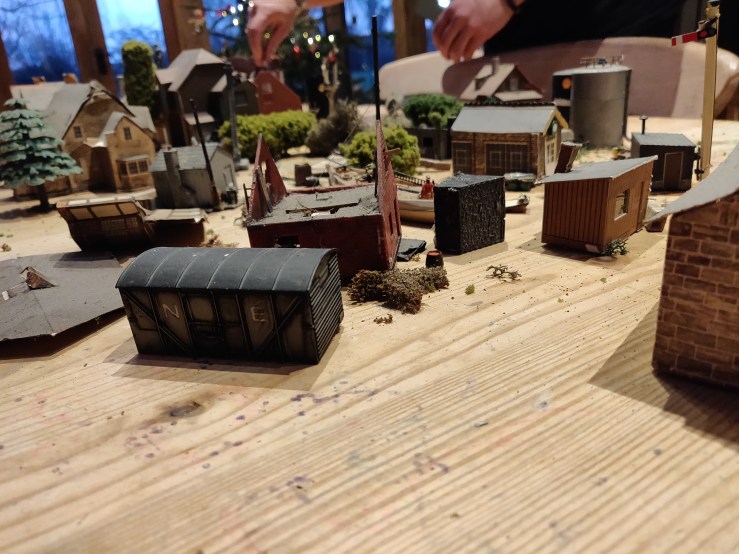
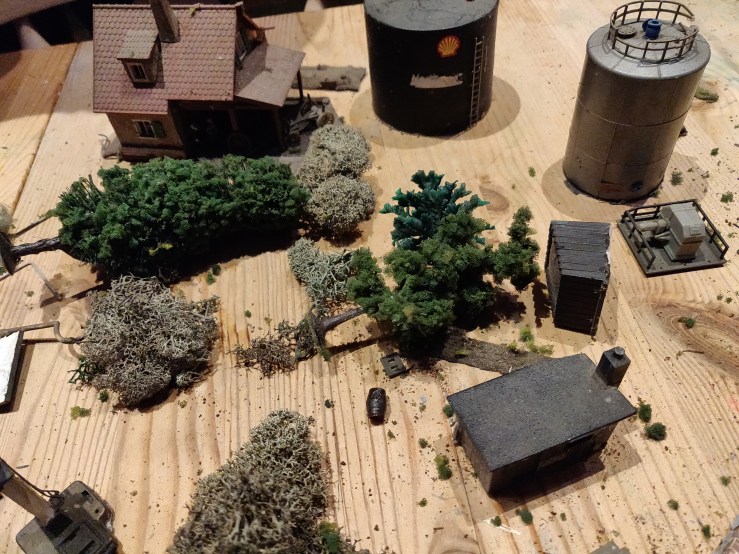
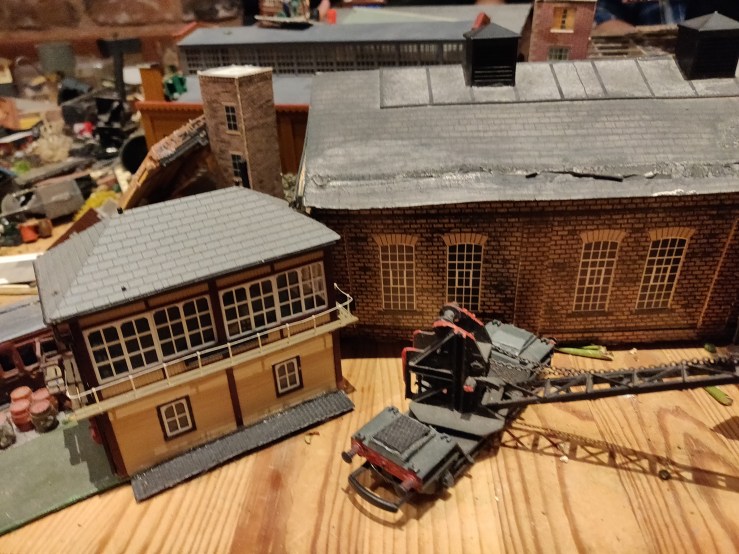
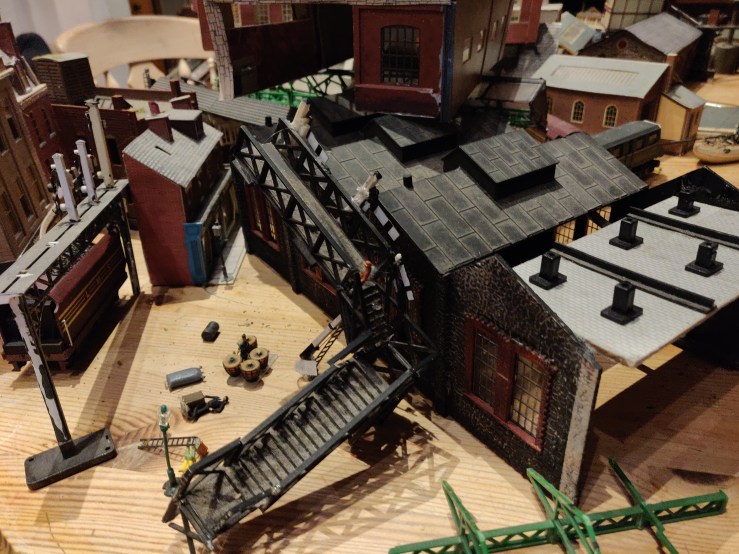
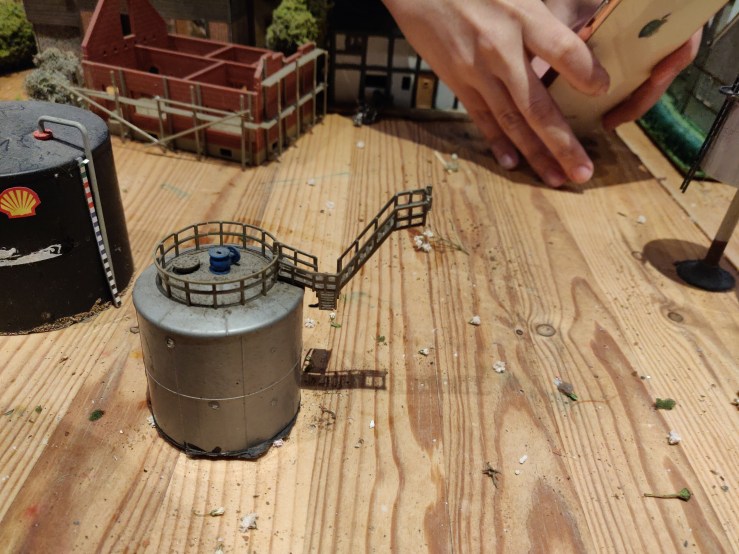
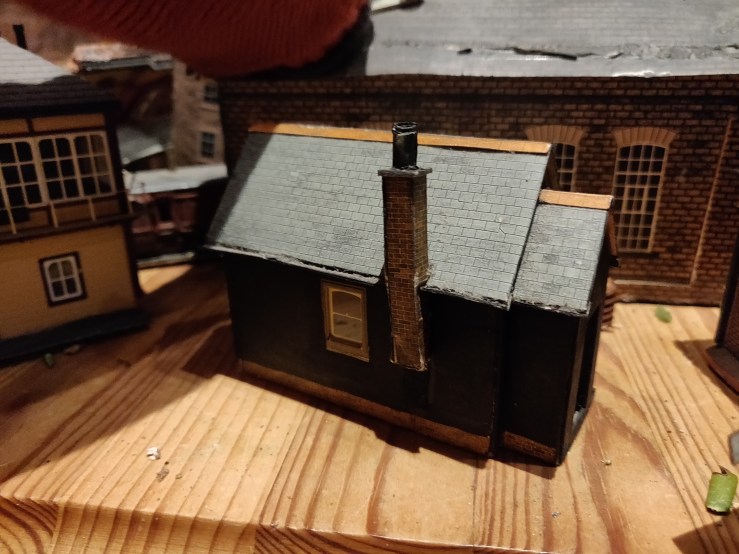
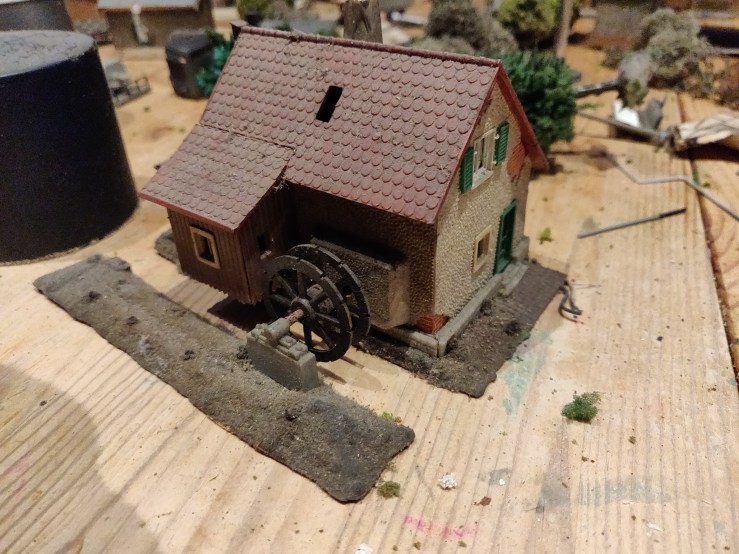
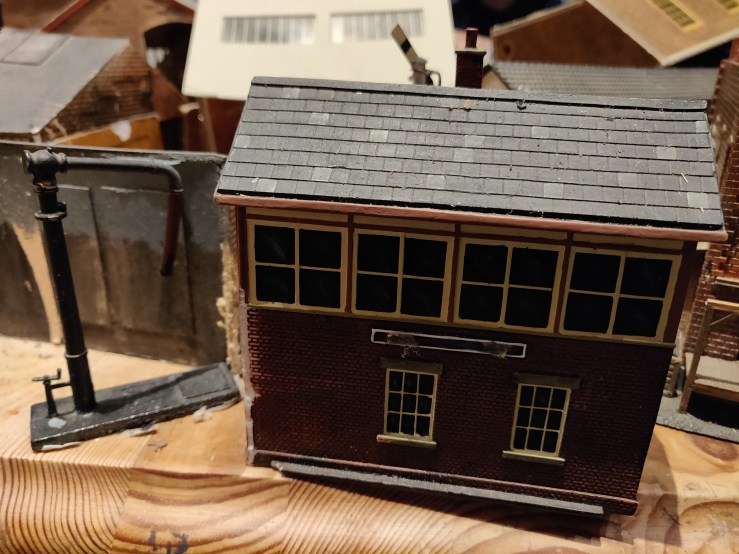
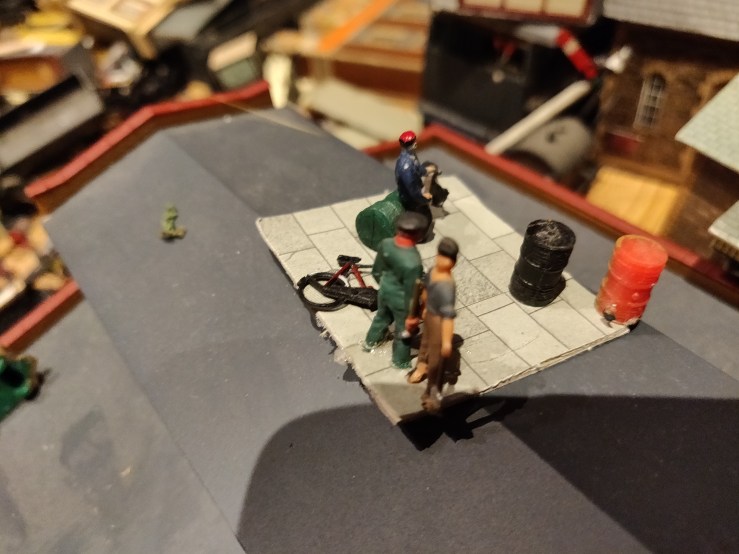
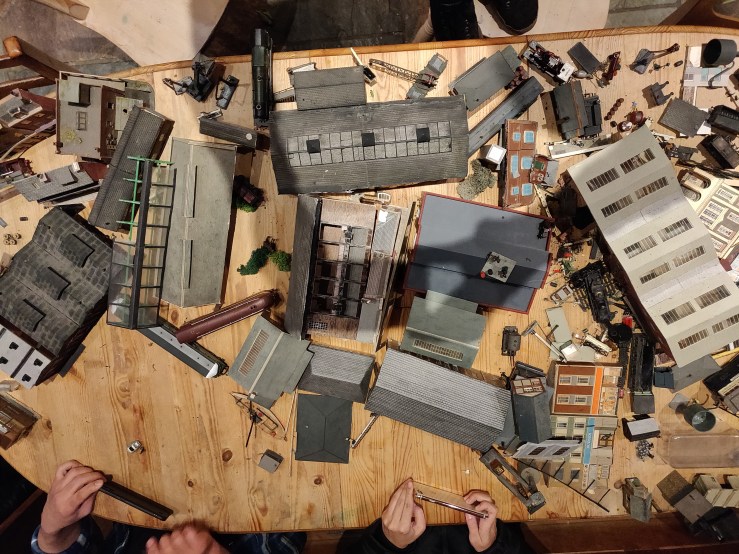
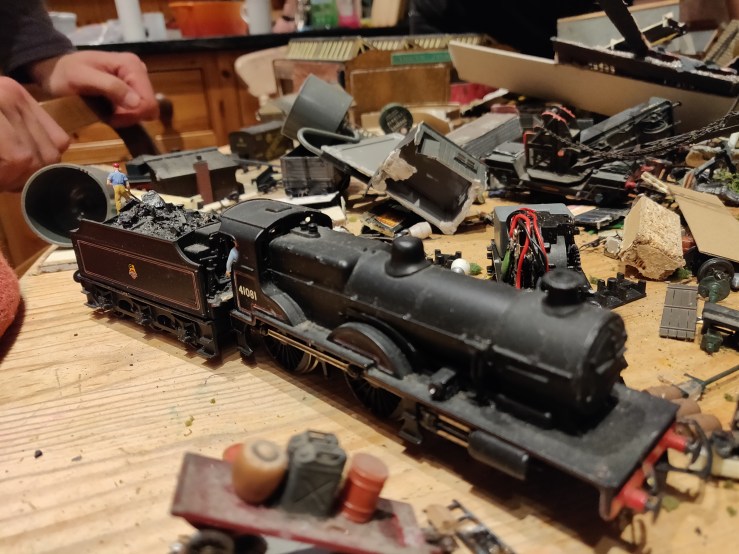
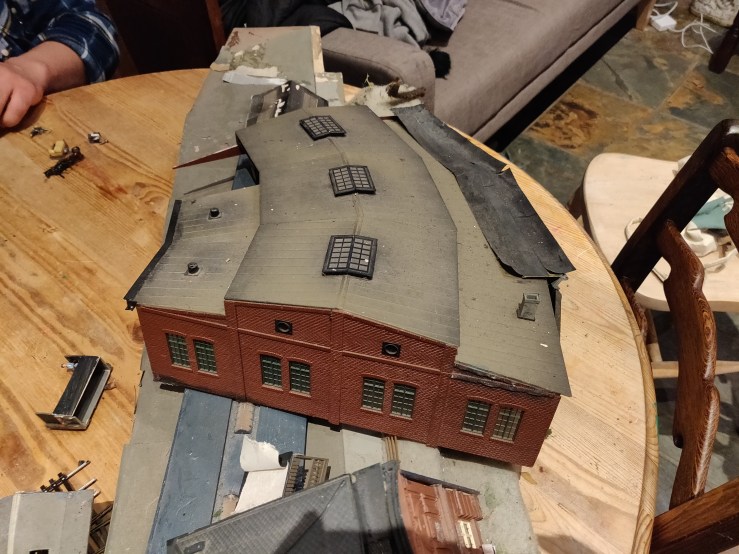
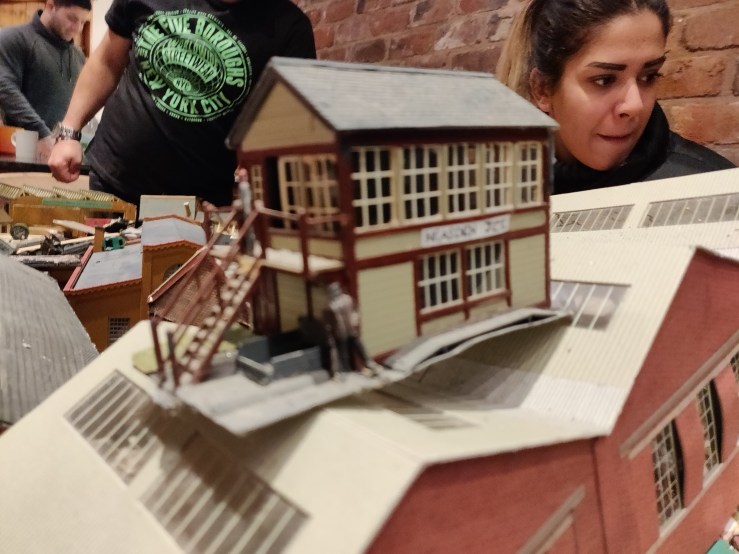
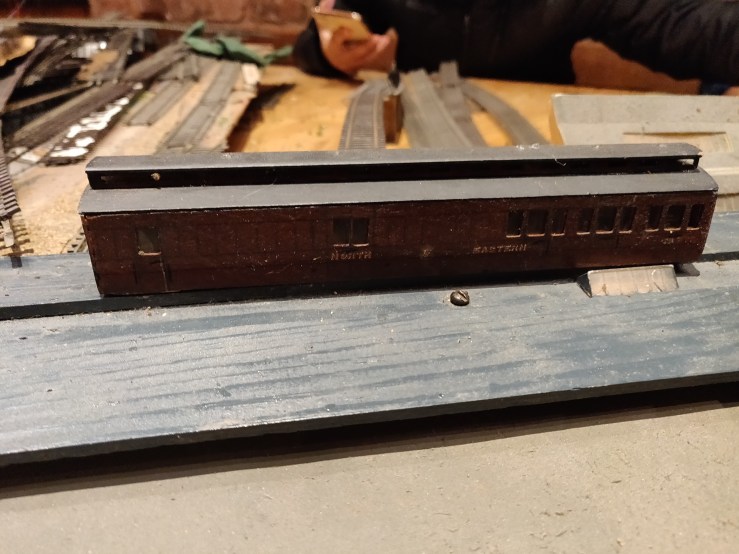
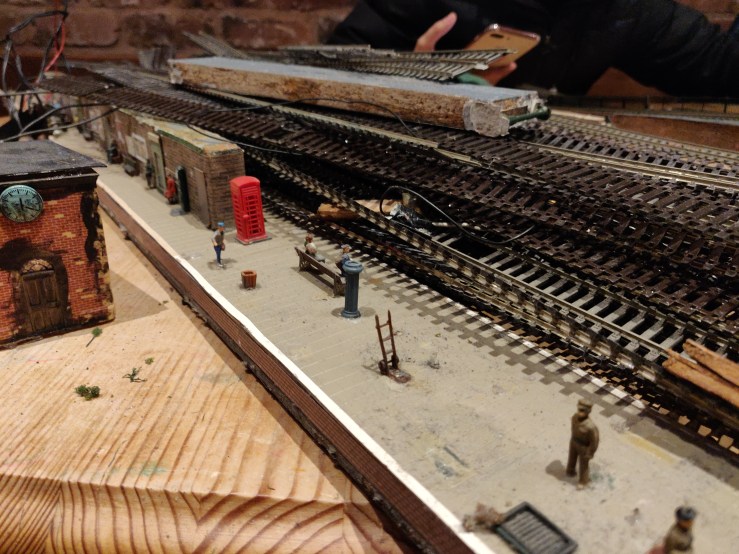
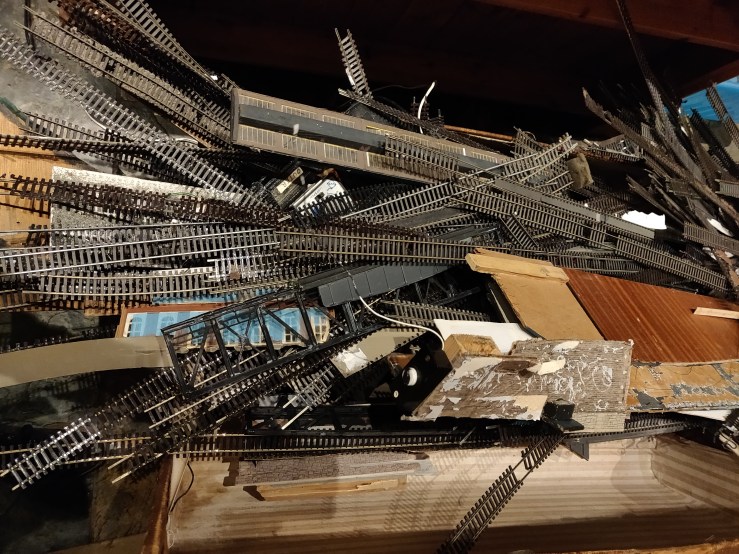
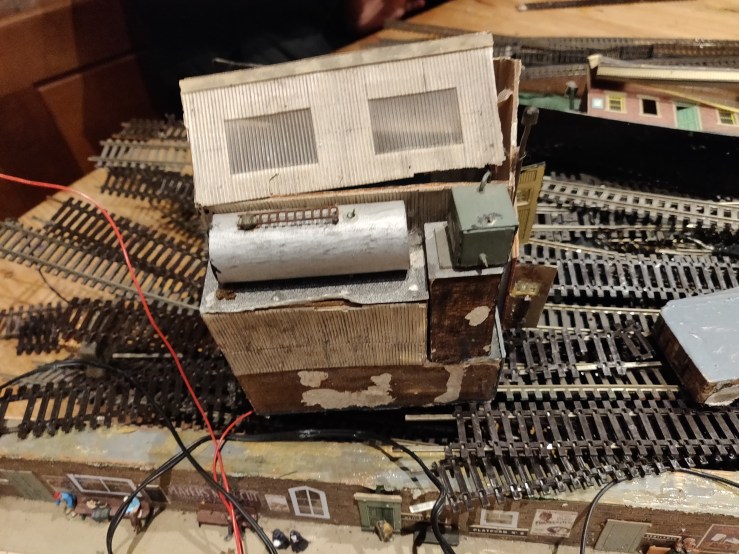
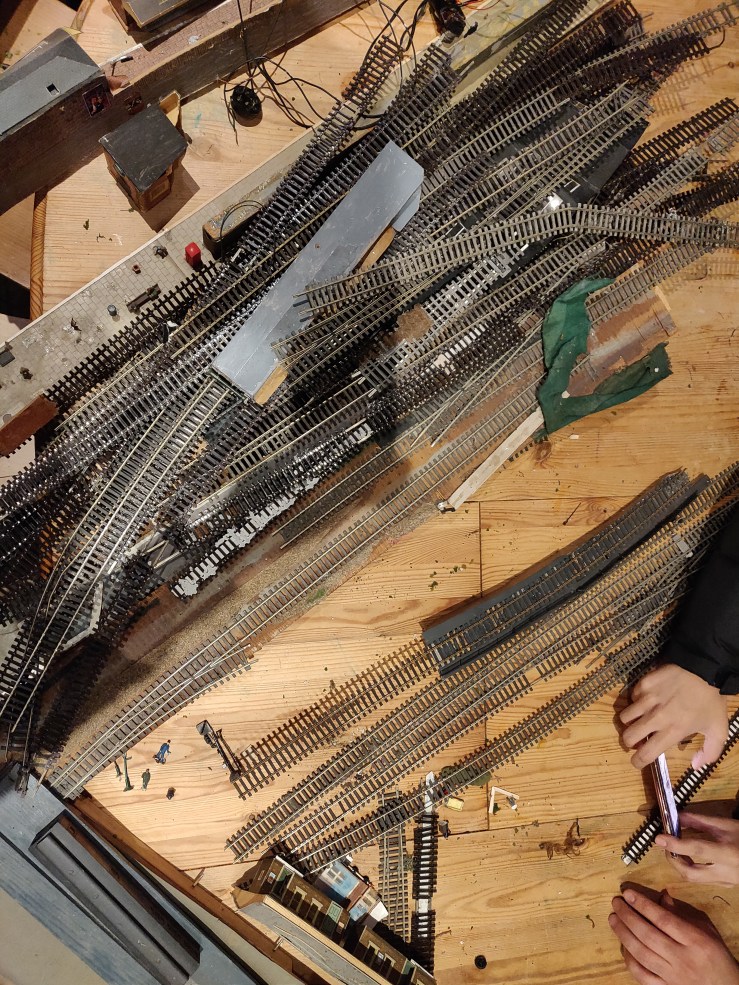
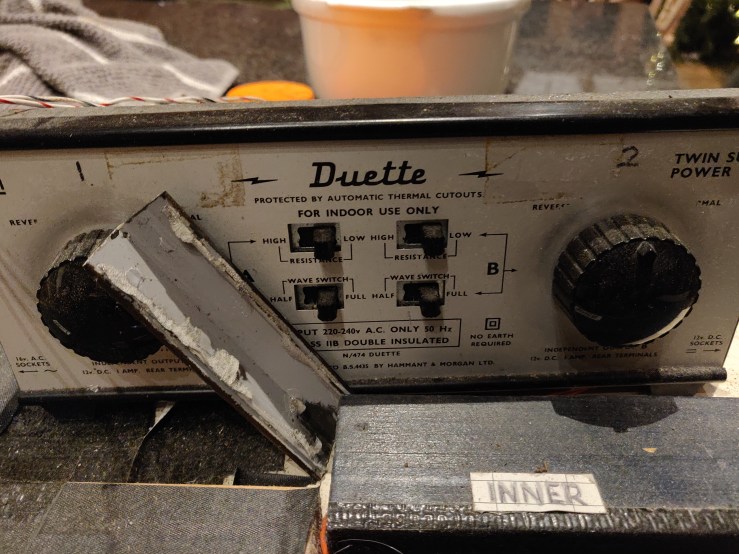
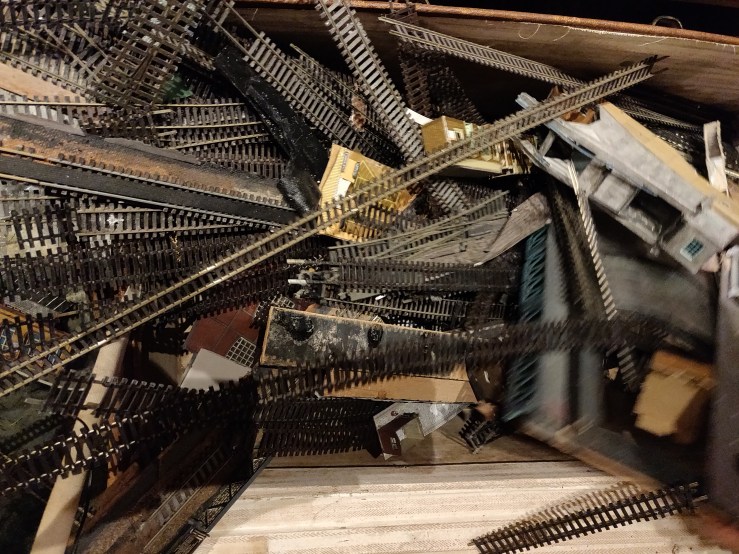
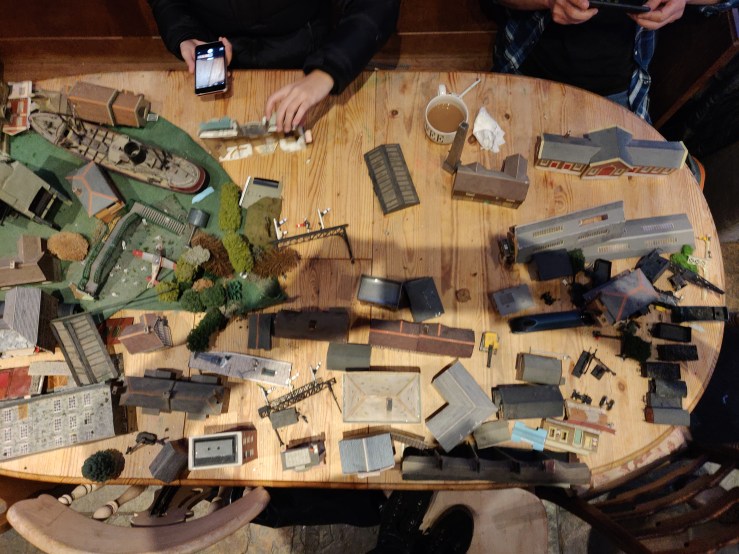
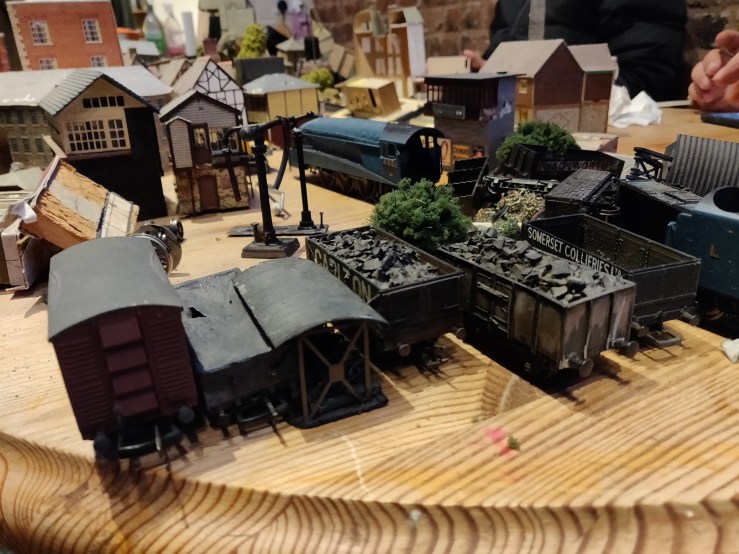
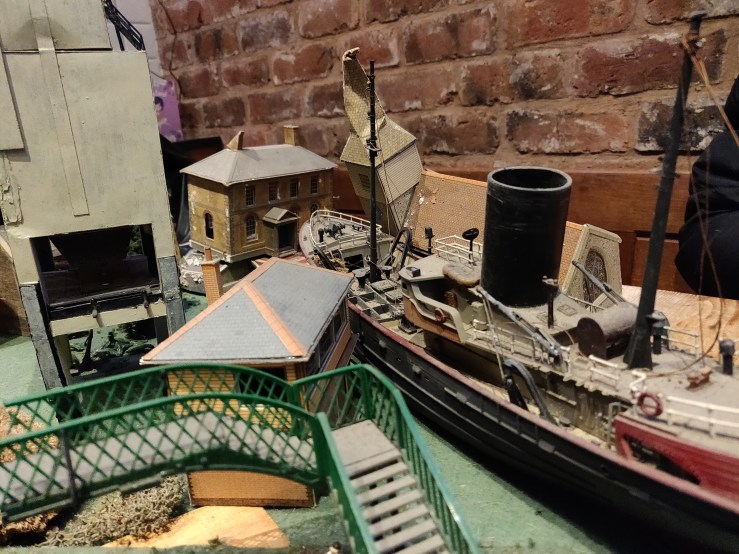
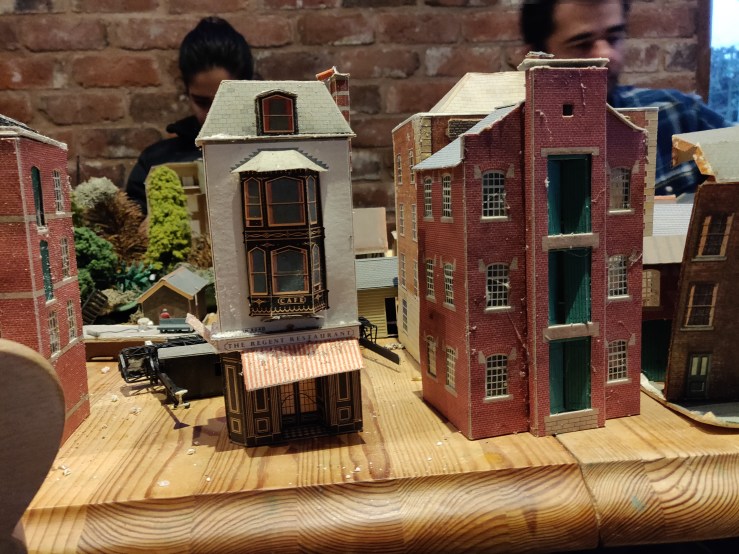
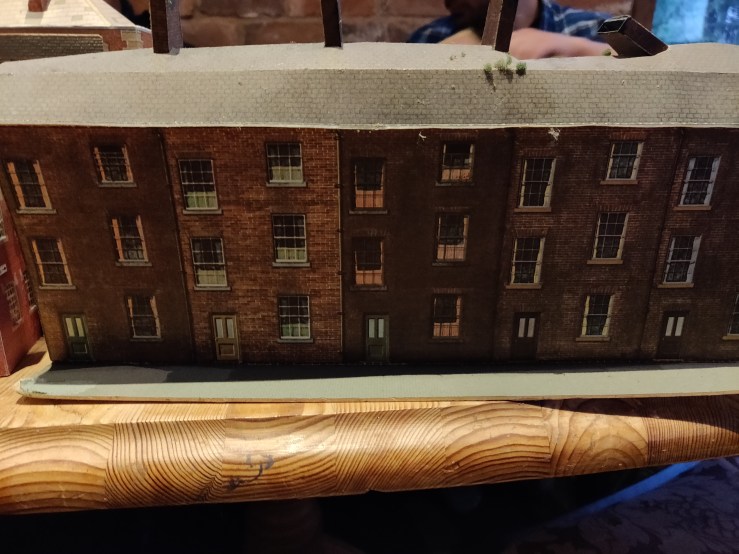
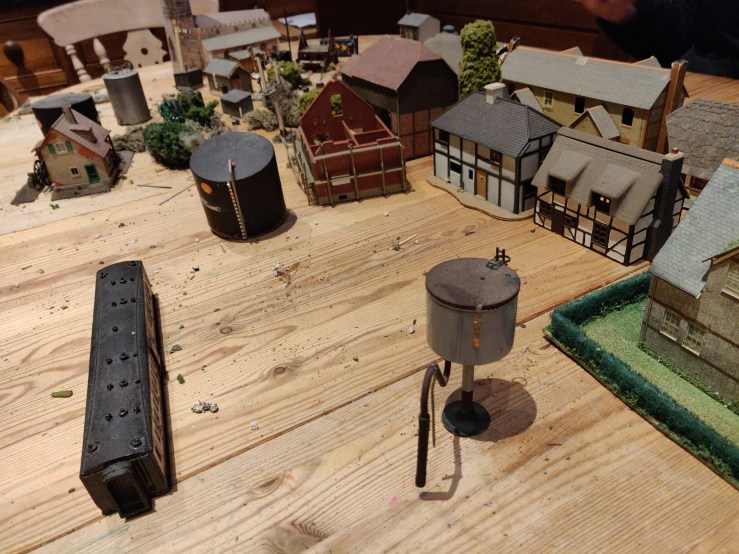
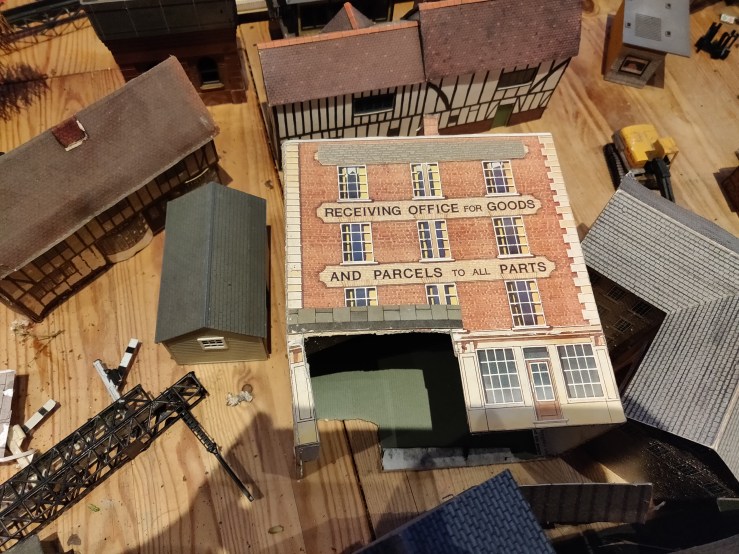
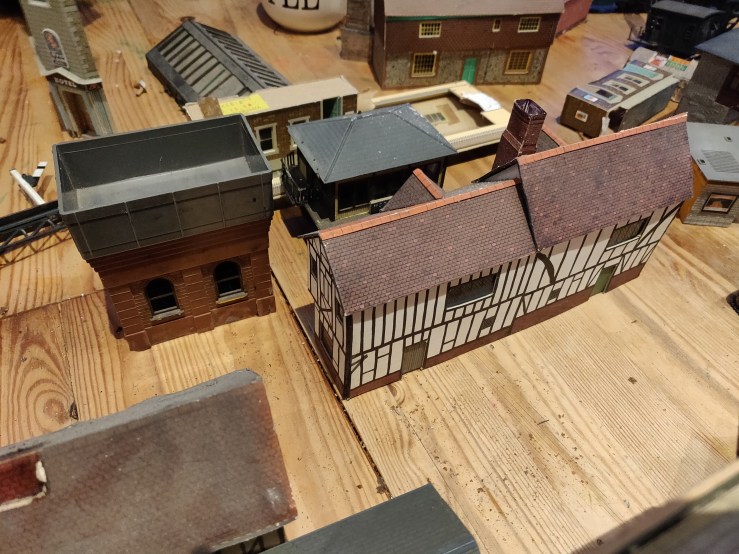
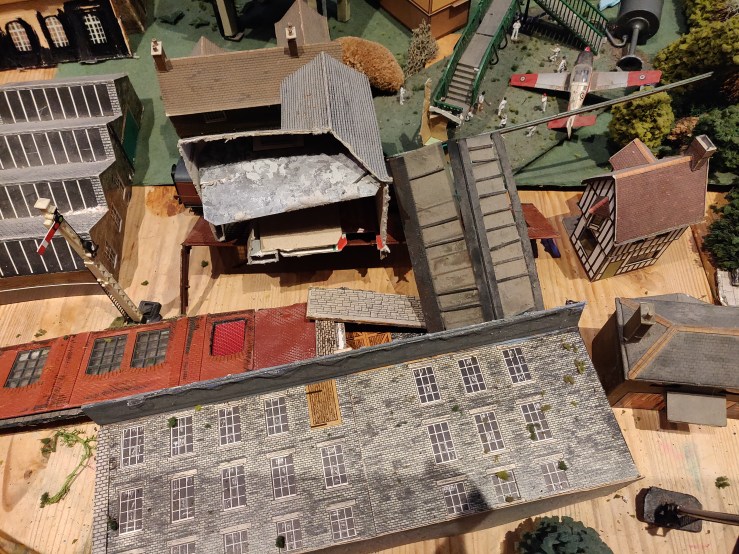
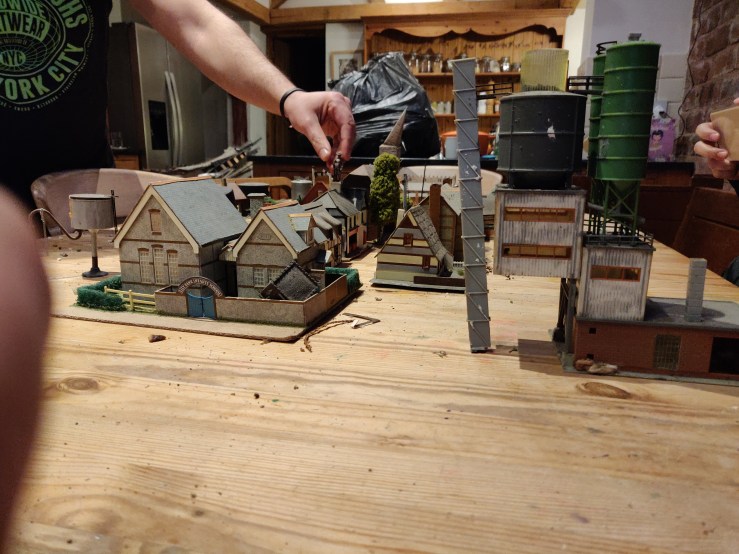
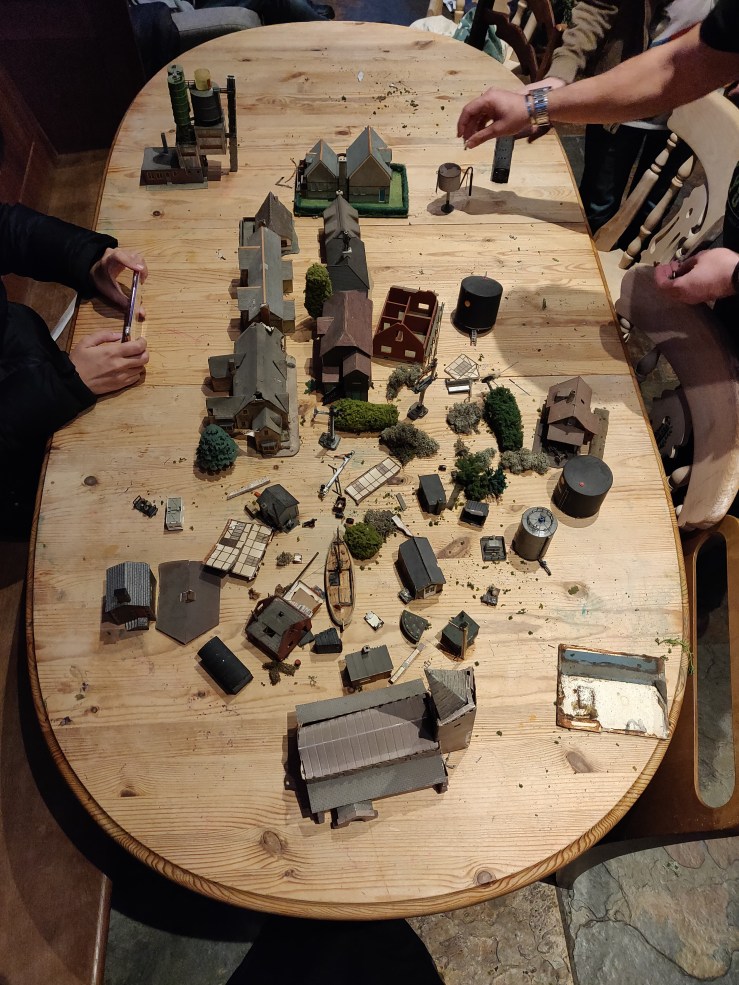
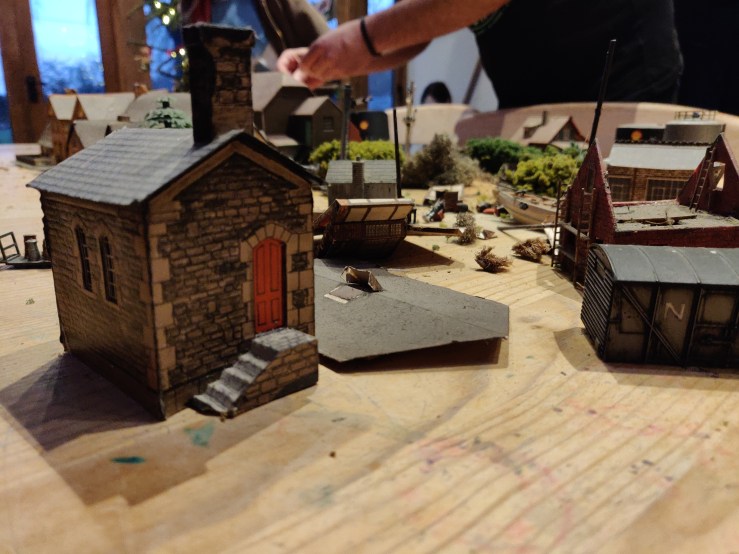
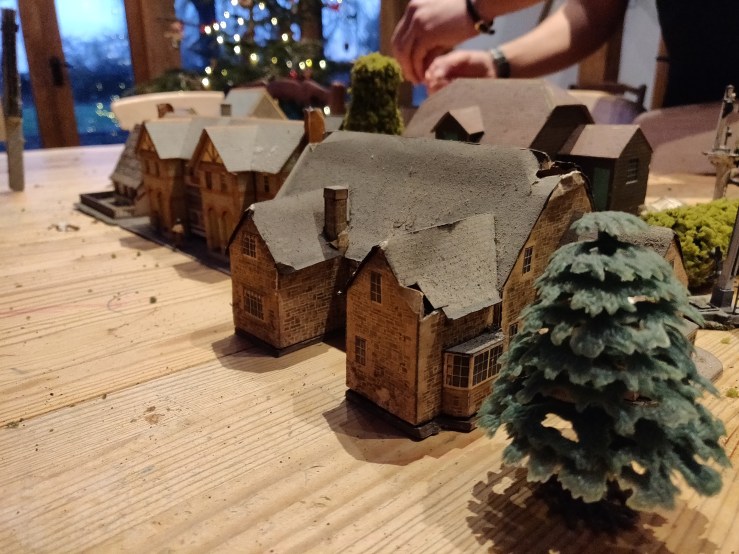
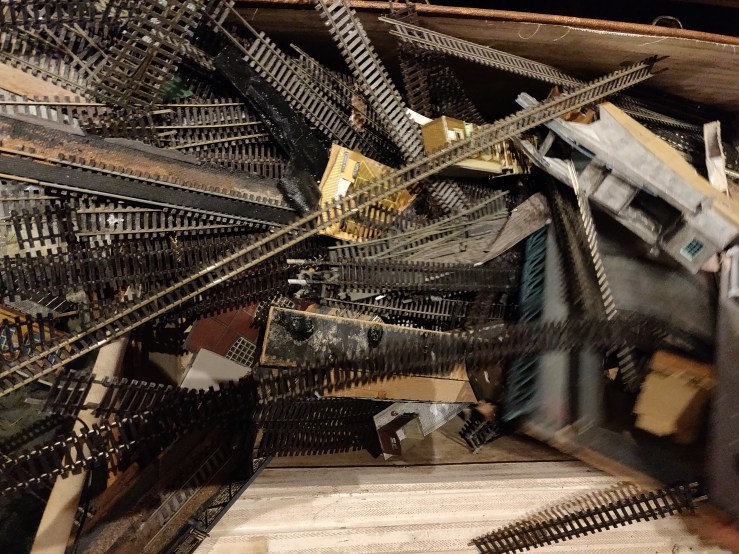
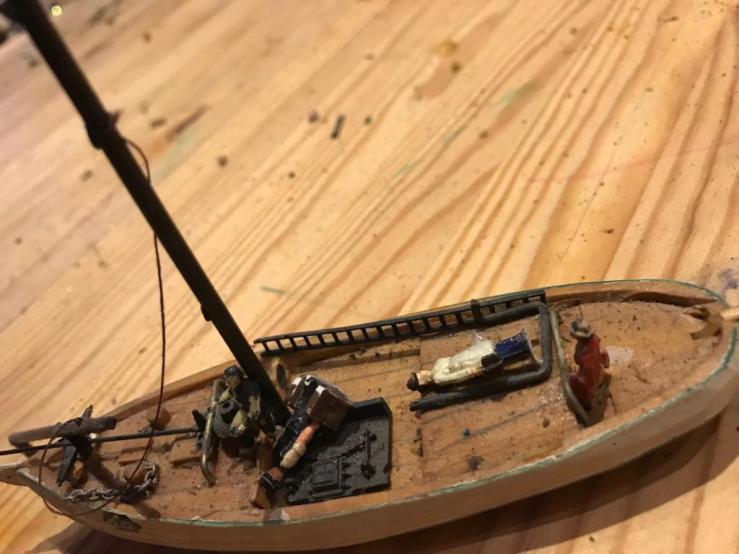
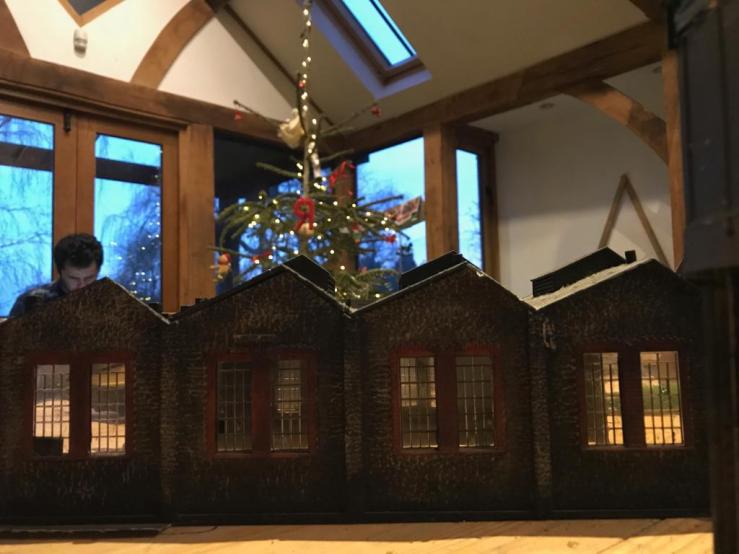
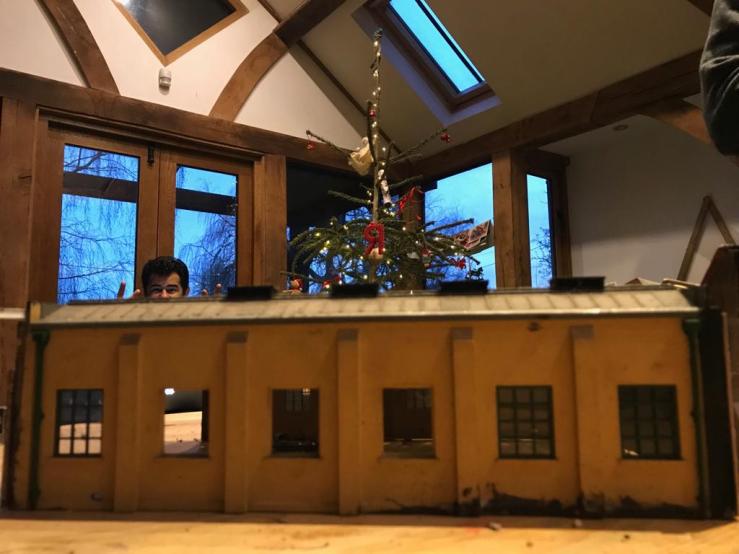
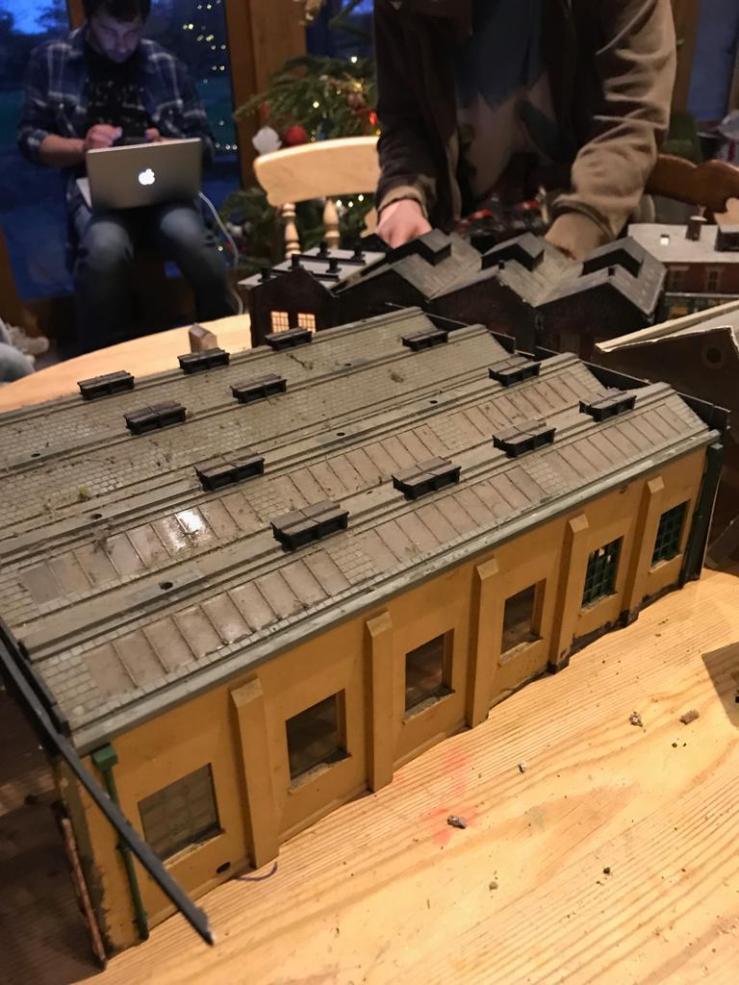
Our new house is called Rose Cottage. This is what it looked like when we got it. I’ll be posting more pictures as we do things to it.


a scruffy ruffian
Our new house is called Rose Cottage. This is what it looked like when we got it. I’ll be posting more pictures as we do things to it.


For many years I have wanted learn to use a scythe, inspired by Simon Fairlie, and The Land Is Ours. Given that I don’t own a lawn mower, but I do have a lawn, I thought it was time to get a scythe and learn. I was taught by the amazing Jeremy Hastings. Here are some photos he took:


I had such a fun day. Jeremy is an amazing teacher and I enjoyed learning something new. Unlike pushing a lawn mower, scything takes some skill to learn and a lifetime to master. Like many things it requires you to become fully focussed on the activity and get into a state of flow.
If you want to find out more, here’s an article Jeremy wrote about scything.

Many moons ago (in fact two years almost to the day) a couple of friends sent me some words that they thought would make good lyrics for a song:
walking the streets of Manhattan, and I don’t even live here
I don’t have my keys on me
They challenged me to write a song using these words. This was a tricky challenge. I had never been to Manhattan, and I don’t like to write songs about things I don’t know about.
Then in March I had a work trip that required me to fly through New York, and a plan began to form in my mind. I had a very long layover in JFK, so I started to wonder, could I use this to write song for the challenge?
I had three flights on the way to my work trip and three more on the way home. This is a long time to spend on a plane and I started to wonder how I could put this time to better use than watching back to back movies. I started to imagine how I could write songs without any instrument, just using my computer on the plane.
I imagined the sound of airports and aeroplanes, cities and railways, and detuned radios, all rolled into one confusing strange mess.
So I set some rules:
So I took my MIDI keyboard and wrote an album, in six aeroplanes, four airports and one cheap hotel. This is the fastest I have ever worked. I didn’t judge my ideas, I just followed my instincts. I didn’t think about whether I liked something, or whether this was really “my sound”, I just went with the first idea that came to me.

When I got home I had eight tracks “done”; now they just needed vocals. I took the words from my haikus and cut and pasted them until they fitted into these songs. I set up my microphone in the living room and spent a few evenings recording.
This album is a product my life situation. Living in a temporary place means I don’t have a good space to record. Having three young children means I don’t get lots of time to write and record music. This album is what was possible given these constraints.
Working with these constraints has pushed me to try new things and and experiment out of my comfort zone. It’s been challenging and I have learnt a lot. It’s also been a lot of fun.
I’m not sure if this album is “good”. It’s full of surprises and very strange to listen to. I hope you have as much fun listening to it as I did making it.
Listen in full on Bandcamp:
Or on Spotify:
I also made videos for all of the songs just using footage I took on my journey. They aren’t anything interesting; I just don’t have time!


This weekend I read Product Management In Practice. I really enjoyed this book, and I learnt a lot from it:
Product Management is always messy. It’s easy to think that the problems at your organisation are unusual and that they have it all sorted somewhere else. This isn’t true. Understanding that these same problems happen everywhere has made me feel much happier in my work; it has given me a new perspective on what I do, and lots of tools to succeed.
Silence isn’t acquiescence. We can have a tendency to assume that if no one says anything in response to our ideas that they must agree with them. However it’s much more likely that they don’t but aren’t comfortable sharing why, for any number of reasons. It’s best to assume that people don’t agree, unless they explicitly say they do!
Focus on user goals and needs. This came up many times in lots of contexts. It’s always worth circling back to user needs, as its a great way to help focus conversations on what really matters.
There was a lot more that was very useful in this book. I’d recommend it for anyone who works on software products.
I gave a talk about Gutenberg at the WordPress Tunbridge Wells meetup:
Below are my notes. When I say “we” I mean the team who worked on Gutenberg, which I wasn’t part of!
I’m Ben Dwyer, I work for Automattic, which is the parent company of WordPress.com and Jetpack. I’m sorry I can’t be with you in person; you’ll have to blame my son who I’ve been looking after today! I’m here to give you an overview of Gutenberg; what it is, what problems it solves, why we need it, and where the project is headed.
You probably noticed that there was a big change to the editor in WordPress 5.0. This new block editor is called Gutenberg, and it marks a big change to WordPress today and in the future direction of WordPress.
Why do we need to change things? Aren’t things fine as they are?
We heard this a lot from people who were used to the old editor and already knew how WordPress worked. When you are familiar with something it feels easy and natural, and you get used to it.
Think back to the old WordPress editor; raise your hand if you ever need to switch to HTML view to make changes to your post, or fix something….?!
This is something we noticed – we were doing this a lot, and that was concerning, because users who aren’t technical wouldn’t know how to jump into the HTML editor and fix their posts.
We noticed a lot of other issues too. Creating posts with rich media has never been easy in WordPress; working with photos, adding video or creating even very simple layouts is really hard with the old editor.
For users who don’t know how to write code, getting their site to look the way they want it is more or less impossible.
If you don’t know how to use WordPress, creating a website with WordPress is really hard. We saw this time and time again in our user testing and research. For example:
Another issue we saw a lot is that users would lose things when they switched themes. Switching a theme in WordPress is meant to be non-destructive; whatever theme you choose, your content won’t change; and this is true. However maybe themes come with features like a slideshow, or a cover image, and when users switch between themes they lose these features. Often they want to cherry pick features from different themes, which isn’t possible with way themes work today.
With these problems in mind, we knew that the solution to this needed to satisfy several requirements:
The old editor used Tiny MCE to assist with writing. This was perfect for creating text based content. However for rich media posts it’s ineffective. To create posts and pages with rich media, the current editor uses a mixture of different things:
When you see this list the problem is clear.
The solution we came up with was the concept of “blocks”. By making all these different things into “blocks” we were able to unify the interface; everything becomes a block.
Blocks enable us to achieve the three aims of Gutenberg:
In addition to the benefits above, blocks bring other benefits:
When a user inserts a block it can be created with some default content, which can act as a guide on how to use the block.
Another aspect of this is the blank page syndrome. When creating new content we often find it really hard to get started. Pre-filling a block with some content – especially content that’s relevant to the user’s site, gets us over this hurdle; its much easier to edit something than create.
Currently when a developer creates a plugin there is no standard interface for their users to interact with it. Often settings end up hidden away in wp-admin somewhere which doesn’t help anyone. Blocks enable developers to build tools that work in the editor, in a standard way that everyone is already familiar with. This enables developers to create consistent and user friendly features.
Gutenberg isn’t a front-end editor. You still edit your content in a separate interface from consumption. However it makes the editing experience much closer to a front-end editor; the preview in the editor will look exactly like the rendered site.
Blocks are the basic unit of Gutenberg. Templates are ways of combining blocks together. If a block is a lego brick, then a template is like the instructions that come with a lego kit. Templates can have
Imagine creating a new page and, instead of seeing an empty sheet, you have a choice of page templates to choose from. We could create all sorts of templates, depending on the type of site – recipes, menus, a product listing, a contact page etc.
Unlike blocks, templates don’t require a lot of code to build; because they are just an arrangement of existing blocks augmented with custom content. This makes them much more accessible; there is a lot of opportunity here for a lot more people to get involved.
Sometimes you want to share a piece of content across multiple pages. Reusable Blocks enable this by letting you create a blocks which can be used in any post of page. When you edit a reusable block, each instance of the block will be updated. Reusable blocks let you achieve similar things to custom post types, but without any need to code.
Blocks give you tools to start creating much more interesting content on your sites, without needing to get your hands dirty. There are is a rapidly growing list of blocks being built which will help you to build more interesting layouts, add more features and integrate with more services.
Blocks offer an opportunity for you to help your clients create structured content in a much more flexible way. By building custom blocks for your clients, you can build features that they can use and reuse in different ways, with all the benefits of a consistent, familiar interface.
No more do you need to worry about clients breaking posts by editing the markup, because the block is explicit about how the information will be presented.
It’s important to understand that the current iteration of Gutenberg is only the beginning. There are still some rough edges that are being ironed out, and a lot of work going in to improving the things.
The vision for Gutenberg is that it will grow from being a post and page editor to being a full site editor. However rather than throwing away everything we have and starting again, the approach we have taken to Gutenberg is to build from the bottom up.
Because blocks are the most basic unit of content, this is where our efforts were started. Notice thought that Gutenberg doesn’t prevent you from using old familiar workflows. You can continue to use “Classic” blocks, which give you access to TinyMCE, so you can create posts in exactly the same way as before. Shortcodes can also be used in Gutenberg as basic blocks
Now we have defined what blocks are and how they work, we can consider how this will impact the rest of WordPress. There is work currently underway that adds blocks to the widget section. This means the same blocks that you are already using in your site content will be available to add to sidebars.
Similar iterations are happening with menus; work is happening which will make menus into a block.
Today we think of the editor as being only responsible for page or post content; but as more of WordPress becomes “blocks” we can see the future ahead of us. Gutenberg will enable users to edit all parts of their site; the header, the footer and sidebars, as well as the post content. Users won’t need to understand the difference between all these different areas, and learn different places for editing them. They will be able to edit all of their site in one interface; Gutenberg.
Another development in Gutenberg is the idea of a block directory. Similar to the plugin directory this will be a way of helping users to discover blocks that will help them create content.
Users create blocks using the block picker, but only blocks they have already installed appear. The block directory will show other relevant blocks alongside the already installed blocks and enable users to install them on their site.
Blocks in the directory will be like plugins only much simpler; they can only contain one block. This idea is still in its infancy but presents a new opportunity to help users.
Blocks have three levels of control; the block itself, which is the primary interface, the block toolbar, which sits above the block, for secondary controls, and the sidebar, for optional tertiary controls.
The sidebar is collapsed by default on mobile devices so it shouldn’t contain any UI which is crucial to using the block.secondary controls (block toolbar)
Themes began as a way to control the presentation layer of your site. They began as little more than CSS. As the web has become more complex, themes have needed to provide a lot more features, as users demanded them.
The addition of blocks to the editor removes a lot of concerns from Themes. No longer will themes need to provide features like a carousel, or a cover image; these should all be blocks. Instead, themes can go back to only being concerned about the presentation layer. Themes will become a collection of CSS and block templates.
Themes still have a vital role to play in Gutenberg. Gutenberg provides new features that Themes can take advantage of, for example wide images. Themes remain responsible for the presentation layer of a site and will need to lay new styles over Gutenberg blocks.
Plugins will continue to work as they do today. However it does open the door to a lot more opportunities for plugins to integrate more fully into the editing experience. By providing plugin features through blocks, your users will find it easier to setup and use your plugin.
Gutenberg, like WordPress is open source project. Contributions from anyone are welcome and encouraged. Remember you don’t have to be a developer to get involved, help is needed with design, content, testing, writing documentation, translation and much more. Find out more on GitHub.
[This question was answered incorrectly by my during the call] Yes they can! Templates have a locking mechanism which gives you control over how much the user can edit their content. There’s more detail in the docs.
A big thank you to Andrew Dixon and everyone at the WordPress Tunbridge Wells meetup for having me!
One benefit of me working from home is that I am there for my kids a lot more than I ever was when I worked in an office and commuted. I take them to school every day. I am there at dinner time every evening and for bedtime.
I was also been blessed with a six month paternity leave which gave me the opportunity to play an equal part in raising my third child.
These benefits are obviously great for my relationship with my children, but there was also an unexpected benefit. By being around more at home my children have a very different experience of parenthood, and how that relates to gender roles.
I recently took a “Gender/career” test at Project Implicit and discovered that I have a strong bias towards seeing women in carer roles and men in career roles. This is not a surprise since that was my experience of my family and my peers when we were growing up. I also suspect there are biological reasons why this bias will always be present to some extent.
However I hope that by being at home, my children will get a different picture of their parents roles and will themselves have less of this implicit bias. Maybe I’ll get them to do the test…
If you want to work from home then come join us!
The idea for cups just appeared in my head. I have been inventing games that are variants of Avalon and mafia/werewolf for a while. This one seems pretty good.
In my opinion, a good game should:
Cups tries to satisfy all these requirements. We’ve only played it twice so the rules are a little in flux.
Cups is a game for 3+ players. I think probably 5/6 is best but we need to play it more.
You will need as many different coloured cups as players
The aim of the game is for your cup to be at the top of the pile of cups at the end of the game, and to not be discovered.
To set up, assign a different cup to each person, without letting the other players know which one is which. The way we have done this is to close our eyes and hand out the cups – then put the cup under your t-shirt and take a peek without looking at anyone else’s. A better way would be to have cards which correspond to each cup, and hand these out.
The game has two stages. Stage one: each player takes a turn. This can be any one of the following:
Going clockwise each player takes a turn. Once every player has had a turn, they each take another turn. Once every player has had two turns they all have an opportunity to take a third turn, if they wish to, in any order.
Stage two: The highest cup is the front runner. The players now have to determine who the highest cup belongs to. By discussing among themselves they try to reach a consensus about who the cup belongs to. Once they have discussed, and come to some agreement, (with the obvious exception of the accused), they hold a vote. If everyone votes for the same person (except that person), then owner of that cup is revealed. If the owner was not the person who was voted for then they win. If the owner of the cup was the person who was voted for then the cup is removed from the game. Stage two begins again with the next highest cup.

Some additional notes:
I hope you have a go at this game. Let me know how you get on, and what rules could do with tweaking.
I made this playlist which shows what songs I was inspired by for each of the songs on Smoke Signals. I say “inspired” but you could say “copied”!
If songs are like tattoos, albums are like homes. Years of history, thoughts, journeys, places and people people all bundled into one package. Moving house always makes me reflect and look back on the years I spent in that place. It seems like songs always come out of that. Looking back, I can see my life and homes from 2004 – 2010 in the songs on Until Autumn Leaves. The years we spent living in a house by the woods are captured in Growing Wild. Now we are moving on again. It’s time to say goodbye to this chapter of our lives and move on to the next one.
This means it’s time for a new album. There are only six songs to share from the five years we lived in Saxon Wood Road. When we moved there, one of the things we loved about the house was the view from the back of the house. The cover for this collection of songs shows that view as it was, before it was developed.

These songs are personal; they are about people. They also contain images and sounds of the places I’ve been and the things I have done. I hope that you’ll be transported as you listen to them:
You can also find it on Spotify, Google Play, iTunes, Amazon and all the usual places.
Here are some more photos I considered for the cover:
Does the moth blame the flame when he burns his wings thereon?
Does the ship blame the rocks when she is wrecked on them?
New track now available on Spotify, Google Play, iTunes and everywhere else.
Artwork: